

Premium Custom-Blended Powders for Precision Hardfacing
High-purity tungsten carbide powders for thermal spray, plasma transferred arc (PTA), and laser cladding applications, providing a dense, metallurgically bonded layer of protection for critical components.
DynaWear PTA & Laser Cladding Powders
The Key to a High-Performance Surface
Tungsten carbide powders are used in a variety of advanced surfacing processes to create a thin, uniform, and highly durable wear coating. These processes, which include thermal spray, plasma transferred arc (PTA), and laser cladding, allow for the precise application of a tungsten carbide layer to complex geometries and critical components.
The key to success with tungsten carbide powders is to choose a powder that is specifically designed for your application process and that has the right chemistry and particle size distribution to achieve the desired properties. This requires a deep understanding of both material science and the intricacies of the various surfacing processes.
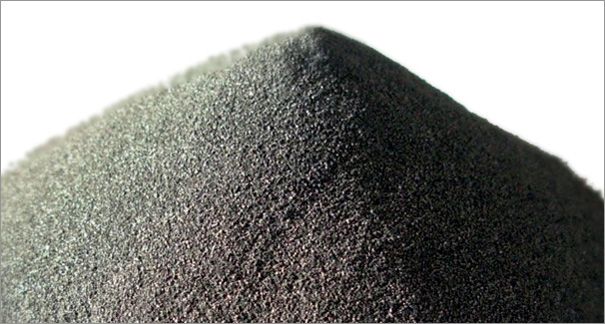
The DynaWear Advantage
Precision & Efficiency
Designed for automated processes (robotic arms, mechanical oscillators), our powders ensure precise application with minimal waste. The high deposition efficiency means more material ends up on your part, not on the floor.
Stock & Custom Flexibility
We now stock the most popular high-demand blends for immediate “off-the-shelf” delivery to keep your operations running. For unique requirements, we remain the industry leader in agile, custom blending to your exact specifications.
Application-Specific Formulations
We don’t just sell powder; we engineer solutions. By marrying the right hard particle with the optimal matrix hardness, we create overlays that withstand your specific combination of abrasion, impact, erosion, and corrosion.
Hard Particle Options
The performance of your hardfacing depends heavily on the type of tungsten carbide used. We offer four distinct hard particle types to match your wear and cost requirements.
Cemented Tungsten Carbide
Cemented and crushed tungsten carbide with a cobalt binder (WC-Co).
Excellent weldability and impact resistance at a cost-effective price point.
- Hardness: ~1300-1800 HV
- Characteristics: Good toughness, melts partially into the puddle for a smooth deposit.
- Best For: General wear protection where impact resistance and cost are key factors.
Coming Soon: Download Tungsten Carbide – Cobalt Safety Data Sheet
Macrocrystalline (Monocrystalline) WC
Single‑crystal tungsten carbide (WC) that is thermodynamically stable.
Survives the high-heat arc process significantly better than cast tungsten carbide without melting.
- Hardness: ~2000-2200 HV
- Characteristics: Thermally stable, retains particle integrity during welding. Higher hardness than cast tungsten carbide.
- Best For: Applications requiring consistent carbide distribution and higher thermal stability than cast tungsten carbide.
Coming Soon: Download Macrocrystalline WC Safety Data Sheet
Angular Cast Tungsten Carbide
Tungsten carbide (WC/W2C) with no binder, crushed into multi-angular shapes.
Extreme hardness for severe abrasion environments.
- Hardness: ~1400-1800 HV
- Characteristics: Sharp, angular particles that aggressively resist abrasion.
- Best For: Severe abrasive wear where cutting action or higher hardness is required.
Coming Soon: Download Angular Cast Tungsten Carbide Safety Data Sheet
Spherical Cast Tungsten Carbide
Tungsten carbide (WC/W2C) with no binder, manufactured into a spherical shape.
Superior flowability and packing density with maximum impact resistance.
- Hardness: ~2700-3400 HV
- Characteristics: Round shape reduces stress risers (improving impact resistance) and flows perfectly through automated feeders.
- Best For: The ultimate protection for high-stress, high-wear components where flow consistency is critical.
Coming Soon: Download Spherical Cast Tungsten Carbide Safety Data Sheet
Matrix and Blend Options
The performance of your hardfacing depends heavily on the type of tungsten carbide used. We offer four distinct hard particle types to match your wear and cost requirements.
Nickel-Based Matrix
The industry standard for corrosion and oxidation resistance.
- Hardness Ranges: Available in 30, 35, 40, 45, 50, 55, and 60 HRc.
- Customization: We recommend a matrix hardness that balances toughness (lower HRc) with abrasion resistance (higher HRc) based on your application.
Chrome-Free Options
Safety and Compliance Focused.
We offer low to mid hardness ranges in Chrome-Free formulations for facilities with strict HSE standards regarding hexavalent chromium fumes. Get the performance you need without the environmental or health concerns.
Typical Blend Ratios
While we can blend to any specification, our most popular high-performance blends typically consist of:
- 60-65% Hard Particle: (Cast or Spherical WC) for maximum wear life.
- 35-40% Matrix: (30-40 HRc) to provide a tough, resilient binder that prevents cracking.
DynaWear Color Code System
The performance of your hardfacing depends heavily on the type of tungsten carbide used. We offer four distinct hard particle types to match your wear and cost requirements.
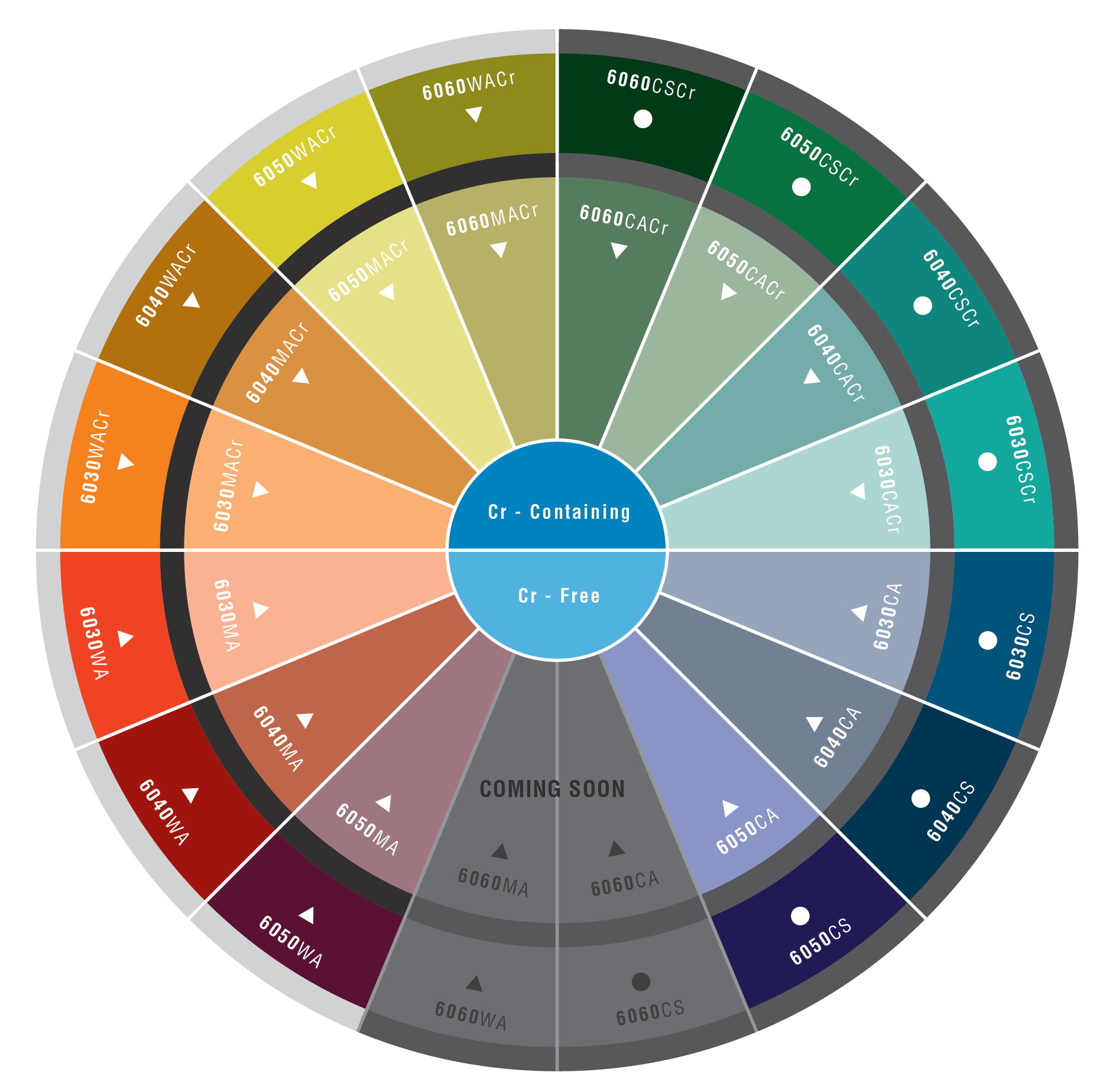
The Color Code System

M: Macrocrystalline
C: Cast Tungsten Carbide
W: WC-Co
A: Angular
S: Spherical
Cr: Chrome Containing
Refer to our downloadable Color Chart for the complete matrix of standard options.
Coming Soon: Download Color Chart
Choosing the Right DynaWear Powder
Selecting the right powder is a balance of Wear Resistance, Impact Toughness, and Cost.
We Help You Choose. Our application engineers are your technical partners. We don’t just ask “what part number?”—we ask “what are you drilling?” and “how did the last one fail?” to come up with the best blend.
| If you need… | We Recommend… | Why? |
|---|---|---|
| Maximum Abrasion Resistance | Spherical or Cast WC | Highest hardness (~3000 HV) resists grinding wear best. |
| High Impact Resistance | Spherical WC + Tough Matrix | Spherical shape handles impact better; lower HRc matrix (30-40) prevents cracking. |
| Smooth Deposits / Low Cost | WC-Co (Sintered) | Good weldability and lower cost, ideal for general purpose. |
| HSE / Safety Compliance | Chrome-Free Matrix | Eliminates chrome fume hazards while maintaining hardness. |
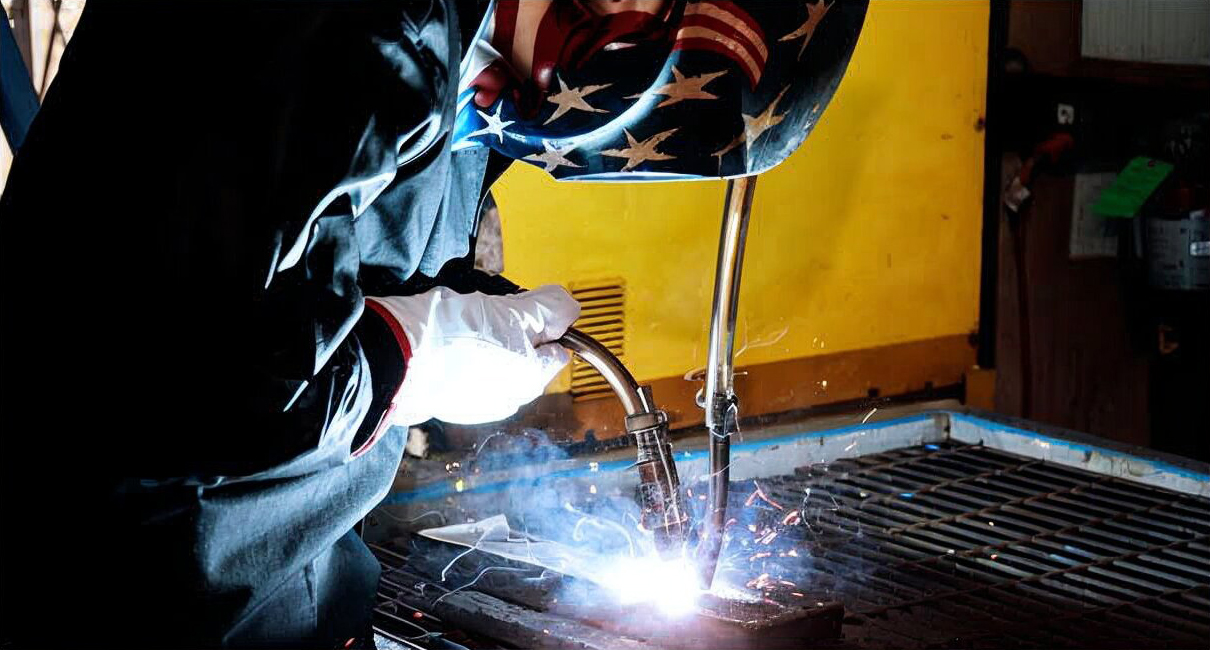
Primary Applications
Trusted by leading manufacturers in Oil & Gas, Mining, and Industrial Processing, DynaWear powders provide the ultimate protection for high-value components. Whether for downhole tools or extrusion screws, we deliver the consistent flow and metallurgical quality automated welding processes demand.
Mining & Processing
Extrusion Screws: High-abrasion resistance for plastics and food processing.
Crusher Hammers: Impact-resistant blends.
Industrial Flow Control
- Valve Gates & Seats: Corrosion-resistant nickel matrix with precise hardness control.
- Pump Plungers: Smooth, non-porous coatings for seal longevity.

Oil & Gas Drilling Operations
Protecting high-value downhole tools that operate in extreme environments.
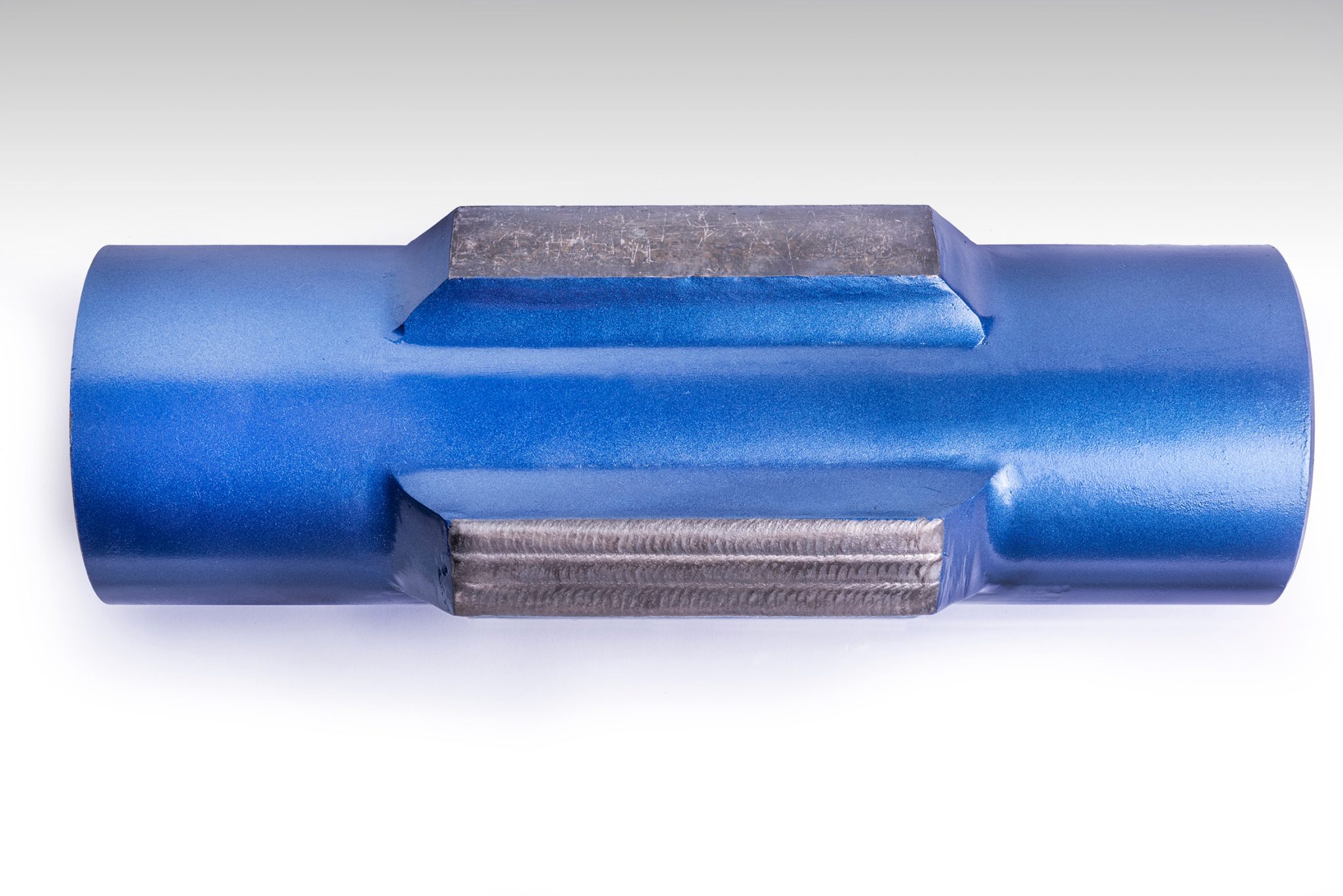
Drilling Bits: Custom blends for gauge protection.
Radial Bearings: Requiring low friction and high hardness.
Stabilizers & Wear Pads: Utilizing Spherical WC for maximum life.

FAQs for DynaWear Powders
What is the difference between Angular Cast Tungsten Carbide and Spherical Cast Tungsten Carbide?
Both are chemically identical (WC/W2C) and each has high hardness ranges (Angular, 1400~1800 HV, SCTC 2700-3400 HV). Spherical Cast TC particles do not have edges to readily dissolve in the puddle. It flows better in automated feeders and offers better impact resistance because it lacks sharp edges (stress risers). Angular Cast TC is excellent for pure abrasion, offer a more cost-effective solution as compared to spherical but can be more abrasive to feeding equipment.
Why would I choose Macrocrystalline over WC-Co?
Macrocrystalline is thermodynamically stable, meaning it survives the intense heat of the plasma arc better than WC-Co. While WC-Co can partially melt and dilute the matrix (softening it), Macrocrystalline retains its particle integrity, providing more consistent wear properties in the final deposit.
Do you offer stock powders or only custom blends?
Both. We stock our most popular high-performance blends (typically 60% WC / 40% Matrix) for immediate shipment. However, custom blending remains a core strength—if you need a specific hardness, particle size, or ratio, we can manufacture it quickly.
Why offer Chrome-Free powders?
Many modern welding shops face strict regulations regarding hexavalent chromium fumes. Our Chrome-Free nickel alloys provide the same hardness and wear resistance as standard grades but help you meet HSE safety standards and protect your workforce.
What is the typical blend ratio?
For high-performance oil and gas applications, the industry standard is typically 60-65% Hard Particle (Spherical or Cast WC) blended with 35-40% Matrix Powder. This ratio offers a high density of carbide for wear resistance while leaving enough matrix to securely bond the particles and prevent cracking.
Coming Soon: Download DynaWear™ PTA Application Guide (PDF)
Precision Powders for Automated Performance
Contact us today to speak with one of our application specialists. We will work with you to develop a tungsten carbide powder solution that will help you to reduce your maintenance costs to minimize downtime and improve operational efficiency.